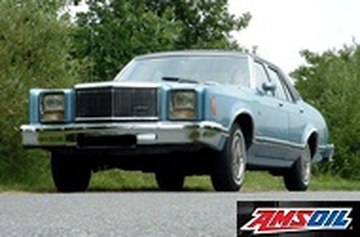
Lubrication Maintenance for the 1980 Mercury MONARCH 4.2L
Maintaining a vehicle from the early 1980s requires a shift in perspective compared to modern automotive care. For owners of a 1980 Mercury Monarch equipped with the 4.2L engine, routine service is not just about following a schedule, but about active monitoring and understanding how aging components interact with various fluids. Proper lubrication management is a cornerstone of preserving the mechanical integrity of this vehicle over time.
Monitoring Fluid Integrity and Condition
One of the most effective ways to monitor the health of the 4.2L engine is through regular observation of the engine oil itself. While many modern vehicles utilize advanced sensors, older engines often rely on the physical properties of the lubricant to signal potential issues. When performing a routine check, pay close attention to the color and consistency of the oil on the dipstick.
If the oil appears excessively dark or contains visible particulate matter, it may indicate that the lubricant has reached the end of its effective service life or that internal components are shedding microscopic debris. Furthermore, any milky appearance in the oil can be a sign of contamination from other fluids, which warrants immediate investigation to prevent internal damage. Observing these changes allows an owner to move from reactive repairs to proactive maintenance.
Observing Potential Warning Signs
Identifying issues early can prevent minor maintenance tasks from escalating into significant mechanical repairs. When operating the 1980 Mercury Monarch, several indicators should be monitored closely. While symptoms can have multiple causes and often require professional diagnosis, certain signs are worth noting during regular operation:
- Visible Seepage: Inspect the area around the engine block and lower components for any evidence of fluid leakage. Even small amounts of seepage can indicate that gaskets or seals are beginning to lose their ability to contain pressurized fluids.
- Unusual Odors: A burning smell during or after operation may suggest that oil is contacting a hot external surface, which could be related to a leak in a seal or gasket.
- Changes in Consumption: If you notice that the oil level on the dipstick is dropping more frequently than expected between service intervals, this change in consumption should be investigated.
It is important to remember that these signs are not definitive diagnoses of a specific failed part but serve as indicators that the vehicle requires closer inspection.
Prioritizing Long-Term Maintenance Decisions
As vehicles age, the strategy for maintenance often shifts from strictly following mileage intervals to assessing the actual condition of the machine. For a 1980 Mercury Monarch, establishing a baseline is essential, especially if the vehicle's complete service history is not readily available. If you are unsure of when the last major service was performed, treating the current state of all fluids and belts as a starting point for your records is a wise approach.
When deciding where to focus your efforts, prioritize active concerns. Addressing an existing leak or a noticeable change in fluid behavior is more critical than performing preventive maintenance on components that appear to be in excellent condition. Keeping a detailed log of every oil change, filter replacement, and observed leak helps create a roadmap for the vehicle's future needs. This documentation becomes invaluable when determining whether a component is nearing the end of its service life or if it can continue to operate reliably.
Inspecting Aging Components and Connections
Beyond the engine oil itself, several peripheral systems benefit from regular visual inspections. For an engine of this era, checking the condition of various connections and auxiliary parts is a practical way to ensure reliability.
If equipped, inspect accessible drive belts for signs of deterioration such as cracking, glazing, or fraying. Similarly, if the vehicle is present with various rubber hoses, check them for excessive softness, hardening, or visible cracks. Electrical connections and wiring harnesses should also be inspected for signs of corrosion or brittle insulation, which can affect the overall performance of the engine's electrical systems. These inspections do not require specialized tools but do require a consistent habit of looking beyond just the primary service items.
Managing Lubrication in Aging Engines
As engines undergo many years of thermal cycling and mechanical operation, the requirements for lubrication may evolve. Some high-mileage oil formulations contain additives intended for use in aging engines. These specialized lubricants often include seal-conditioning additives designed to help maintain the flexibility of various gaskets and seals throughout the engine. While these formulations are not a substitute for repairing a significant leak, they can be a useful tool in managing the gradual seepage that is sometimes observed in older mechanical systems.
When selecting a lubricant, it is also beneficial to consider the benefits of different base oils. Synthetic oils and synthetic blends often provide enhanced thermal stability and better resistance to oxidation compared to conventional oils. This can be particularly relevant for maintaining oil quality during extended periods of operation or in varying environmental conditions. However, the most important factor remains matching the lubricant to the specific requirements of the 4.2L engine as outlined in your application documentation.
Practical Guidance for BUYING ENGINE OIL for the 1980 Mercury MONARCH 4.2L
When you are ready to replenish the lubrication in your 1980 Mercury Monarch 4.2L, avoid making assumptions based solely on the age of the vehicle or general automotive trends. The most reliable way to ensure you are using the correct product is to match the engine oil to the application-specific viscosity information already displayed on this webpage.
Before finalizing your purchase, follow these practical steps:
- Verify Viscosity: Do not rely on memory or similar engines; always use the specific viscosity grade provided in the application data above.
- Check API Certification: Ensure the product carries a current API certification to guarantee it meets modern standards for detergent and anti-wear properties.
- Evaluate Formulations: Depending on your engine's current condition, you may choose between conventional, synthetic blend, or full synthetic options. If you are managing an older engine with high mileage, consider if a high-mileage formulation is appropriate for your needs.
- Inspect the Label: Always double-check the product packaging against the requirements listed on this page to ensure there are no discrepancies before adding the oil to your engine.